
When it comes to legendary music festivals, Lollapalooza and Glastonbury stand at the pinnacle of global cultural events. Both are known for incredible lineups and unforgettable experiences, but they differ significantly in style, location, and atmosphere. Here’s a detailed comparison to help you decide which festival aligns with your preferences.
Contents
1. Location and SettingLollapaloozaGlastonbury2. Music Lineup and GenresLollapaloozaGlastonbury3. Atmosphere and CultureLollapaloozaGlastonbury4. Duration and ScaleLollapaloozaGlastonbury5. Camping vs. Urban ExperienceLollapaloozaGlastonbury6. Food and AmenitiesLollapaloozaGlastonbury7. Sustainability and LegacyLollapaloozaGlastonbury8. Costs and AccessibilityLollapaloozaGlastonburyConclusion: Lollapalooza vs. Glastonbury – Which Is Better for You?
1. Location and Setting
Lollapalooza
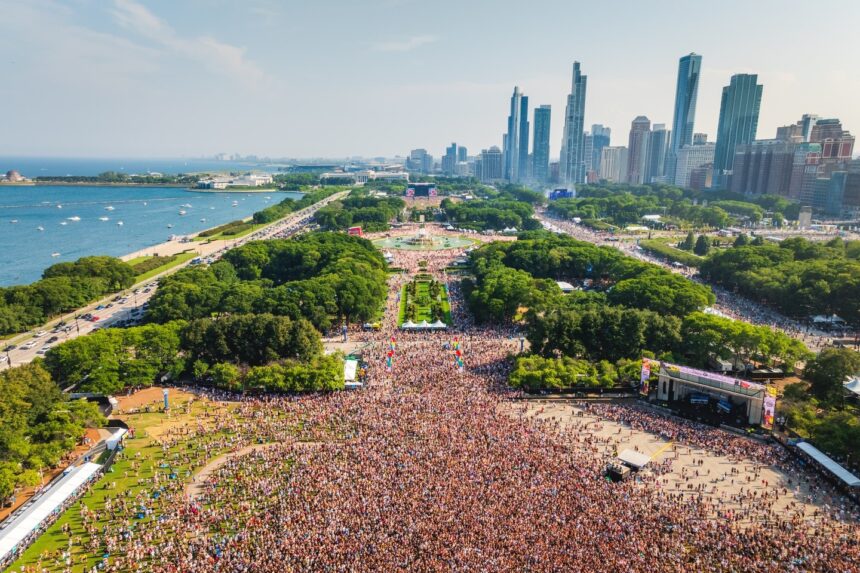
- Location: Grant Park, Chicago, Illinois.
- Setting: An urban festival with the city skyline as a backdrop. The central location provides easy access to Chicago’s vibrant city life, including restaurants, nightlife, and attractions.
- Vibe: Fast-paced and energetic, with a modern, cosmopolitan feel.
Glastonbury
- Location: Pilton, Somerset, England, on a sprawling 900-acre farm.
- Setting: A rural, countryside festival steeped in history and tradition. Glastonbury’s natural beauty, with rolling hills and scenic views, creates an immersive outdoor experience.
- Vibe: Communal, spiritual, and deeply rooted in counterculture and environmentalism.
2. Music Lineup and Genres
Lollapalooza
- Genres: A mix of pop, rock, hip-hop, EDM, and alternative. Recent lineups have featured artists like Billie Eilish, Kendrick Lamar, and Metallica.
- Focus: High-energy performances from global headliners and emerging talent, with a strong focus on mainstream appeal.
Glastonbury
- Genres: A diverse blend of rock, pop, folk, electronic, world music, and more. Past headliners include Paul McCartney, Beyoncé, and Radiohead.
- Focus: A rich tapestry of musical styles, from A-list headliners to niche acts across genres. The festival often showcases groundbreaking performances with cultural and political significance.
3. Atmosphere and Culture
Lollapalooza
- Crowd: A mix of locals, tourists, and festival-goers from around the world. The crowd skews younger, with a party-centric vibe.
- Experience: Urban and high-energy, with a focus on music and social media-friendly moments.
Glastonbury
- Crowd: A diverse audience spanning multiple generations, from young music enthusiasts to seasoned festival veterans.
- Experience: Deeply rooted in community, activism, and artistry. Beyond the music, attendees explore spiritual areas, healing fields, and engaging talks.
4. Duration and Scale
Lollapalooza
- When: A four-day event typically held in late July or early August.
- Scale: Compact and concentrated, with multiple stages located within Grant Park.
Glastonbury
- When: A five-day festival in late June.
- Scale: Massive, with over 100 stages and areas, creating a small city dedicated to music, art, and culture.
5. Camping vs. Urban Experience
Lollapalooza
- Accommodation: No on-site camping. Attendees stay in nearby hotels, Airbnbs, or commute from the suburbs.
- Convenience: Ideal for those who prefer modern amenities and city life over camping.
Glastonbury
- Accommodation: Primarily a camping festival, with options ranging from basic tents to luxury glamping setups.
- Immersion: Camping is an integral part of the experience, fostering a deeper connection with fellow attendees and the festival’s ethos.
6. Food and Amenities
Lollapalooza
- Food: Chicago’s culinary scene shines, with gourmet food vendors offering deep-dish pizza, international dishes, and festival staples.
- Amenities: Urban conveniences such as nearby restaurants, bars, and public transit.
Glastonbury
- Food: A celebration of global cuisine, vegetarian and vegan options, and locally sourced food.
- Amenities: On-site facilities include wellness areas, composting toilets, and spaces for yoga and meditation.
7. Sustainability and Legacy
Lollapalooza
- Sustainability Efforts: Recycling programs and initiatives to reduce waste. However, its urban setting limits its environmental impact initiatives compared to rural festivals.
- Legacy: A global festival brand with offshoots in countries like Brazil, Argentina, and Germany.
Glastonbury
- Sustainability Efforts: A pioneer in eco-friendly practices, from banning single-use plastics to encouraging eco-conscious camping.
- Legacy: Deeply tied to British counterculture and activism, with over 50 years of history. It’s not just a festival but a cultural movement.
8. Costs and Accessibility
Lollapalooza
- Tickets: Four-day passes start around $400, with single-day passes available. VIP options can significantly increase costs.
- Accessibility: Centrally located in Chicago, making it easy to attend without additional travel or camping gear.
Glastonbury
- Tickets: General admission costs around £350, but they sell out months in advance. Additional camping gear can add to expenses.
- Accessibility: Requires travel to rural Somerset, but shuttle services and public transport options are available.
Conclusion: Lollapalooza vs. Glastonbury – Which Is Better for You?
Your choice between Lollapalooza and Glastonbury comes down to what you value most in a music festival:
- Choose Lollapalooza if you prefer a high-energy, urban festival with big-name headliners, modern amenities, and the convenience of city life.
- Choose Glastonbury if you want a more immersive, communal experience that celebrates music, art, and culture on a grand scale in a rural, eco-conscious setting.
Both festivals are extraordinary in their own right, offering unforgettable memories and world-class performances. Whether you’re drawn to the urban sophistication of Chicago or the cultural richness of Somerset, you’re guaranteed an incredible festival experience.