
Burning Man, though celebrated for its principles of creativity, community, and self-expression, has faced criticism over the years for a variety of reasons. Here are some of the most significant issues that contribute to the perception of Burning Man as problematic:
1. Environmental Impact
While Burning Man promotes sustainability and “Leave No Trace” principles, the event has been criticized for its carbon footprint.
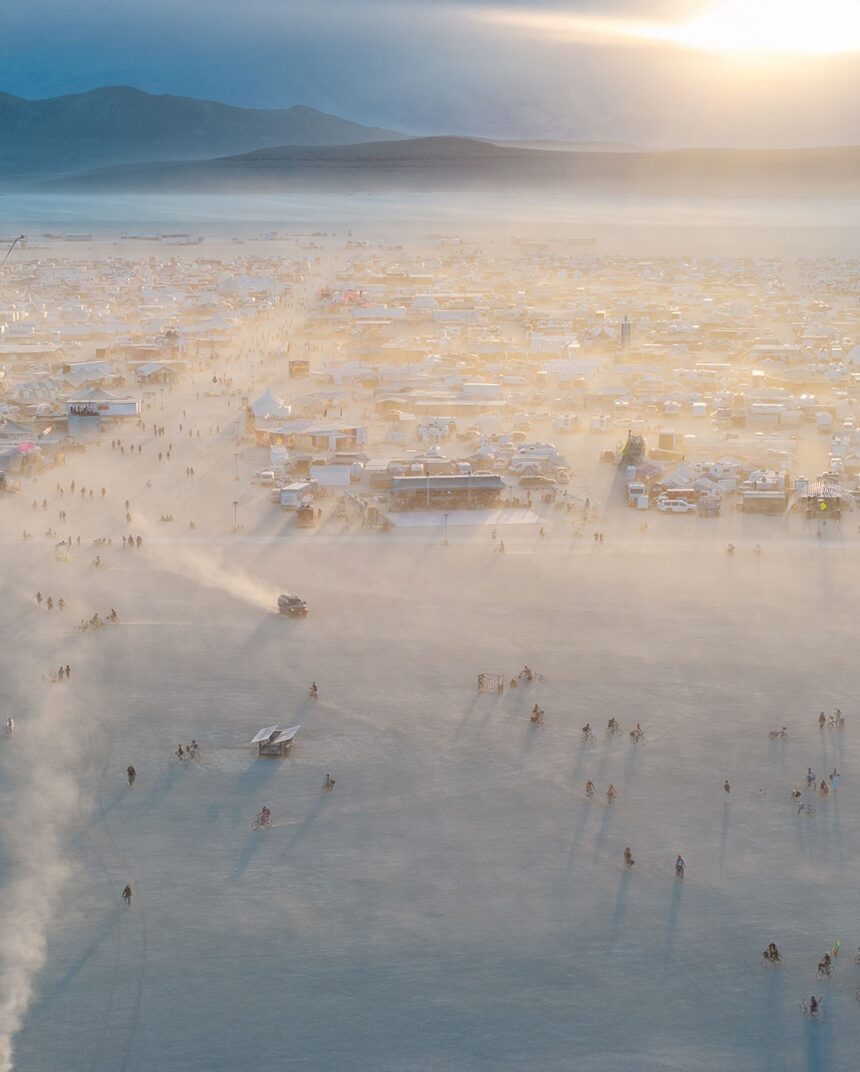
- The large number of attendees (over 70,000) traveling to the remote Black Rock Desert in Nevada, often by car or private jet, generates significant emissions.
- The construction and eventual burning of large-scale art installations also raise concerns about resource use and pollution.
- Critics argue that the “Leave No Trace” ethos is not always perfectly adhered to, leaving behind micro-trash and environmental degradation.
2. Accessibility and Elitism
What started as a countercultural gathering has become increasingly expensive and exclusive.
- Ticket prices, travel costs, and preparation expenses make Burning Man financially inaccessible for many.
- The rise of luxury camps (“plug-and-play camps”) catering to the wealthy, complete with hired staff and high-end accommodations, has led to accusations of elitism and a departure from the event’s original ethos of self-reliance.
- Critics argue that these camps contribute to social stratification, creating a division between affluent attendees and others.
3. Cultural Appropriation
Burning Man has faced backlash for instances of cultural appropriation, particularly through the use of Indigenous symbols, costumes, and spiritual practices by attendees.
- Critics highlight that wearing headdresses or misusing sacred symbols disregards their cultural significance, reducing them to decorative accessories.
- The lack of awareness or sensitivity toward these practices has drawn attention to issues of respect and inclusivity.
4. Overcommercialization
Although Burning Man officially promotes “decommodification” and a gift-based economy, critics argue that the event has become increasingly commercialized.
- The event’s association with influencers and celebrities has shifted the focus toward social media clout and personal branding.
- Luxury experiences and branded appearances often conflict with the event’s principles, creating tension between its ideals and reality.
5. Strain on Local Communities
The influx of thousands of attendees each year can strain the small towns and communities near the event site.
- Increased traffic, noise, and waste are common complaints from local residents.
- The event has also sparked debates about the equitable use of public lands, with some arguing that the large-scale festival disrupts the environment and local ecosystems.
6. Safety and Inclusivity
Burning Man has faced criticism for not doing enough to address safety and inclusivity concerns.
- Issues like harassment, consent violations, and inadequate support for marginalized communities have been raised by some attendees.
- While the event encourages participation and diversity, some feel that it does not fully live up to these ideals.
7. Gentrification of Counterculture
What once was a grassroots, countercultural event has, in the eyes of critics, become a playground for the wealthy and tech elites.
- Burning Man’s original spirit of radical self-expression and anti-establishment values is seen by some as diluted by the influx of corporate executives, celebrities, and Silicon Valley elites.
- This shift has raised questions about whether the event can still claim to represent counterculture or whether it has become a commodified version of itself.
Conclusion
While Burning Man remains a unique and transformative experience for many, these issues have led to growing criticism. Balancing its principles with its growing popularity and modern challenges is a continuing struggle for the event. Whether Burning Man can address these concerns while staying true to its roots remains an open question.
Would you like a deeper dive into any specific aspect?